If every septic pump-out starts with someone hunting for the lid with a probe and a shovel, a riser is worth a look. A riser brings the tank opening up to ground level, so the next service starts in minutes instead of with a dig. Here is what risers are, what they solve, and how to decide if one makes sense for your home or cottage in Tiny Township, Wasaga Beach or Midland.
What a septic riser is
Most septic tanks sit underground with their access lids buried somewhere between a few centimetres and a metre or more below the surface. Over the years, grass, gardens, sand and decks end up on top of them.
A riser is a short vertical pipe or collar fitted over the tank opening and brought up to the surface. A secure lid sits on top at ground level. When the tank needs to be pumped or inspected, the lid comes off and the hose goes straight in.
Risers are usually made of plastic or concrete. Plastic is lighter and easy to fit. Concrete is heavier and common on older systems. Either way, the goal is the same: no digging to reach the tank.
The problems a riser solves
Digging on every visit
Without a riser, someone has to find and expose the lid every time the tank is pumped or inspected. On sandy lots that’s usually manageable. On clay, under sod or under a garden bed, it takes longer and makes more mess.
Lost lids
It is common for owners, especially new ones, to have no idea where the tank lid is. The previous owner knew, but that knowledge left with them. A riser marks the spot permanently.
Winter access
Frozen ground makes digging slow, hard and sometimes impossible. If a tank backs up or an alarm goes off in January, a buried lid under frost and snow is the last thing you want. A riser that you can reach by clearing a bit of snow is a real advantage in an emergency.
Skipped maintenance
When getting to the tank is a hassle, people put off pumping. Easy access makes it far more likely the tank gets pumped and checked on schedule, which helps protect the leaching bed.
Checking the effluent filter
Many newer tanks have an effluent filter at the outlet that needs to be cleaned regularly. If the outlet lid is buried, that rarely happens. A riser over the outlet makes it a quick job.
When a riser makes the most sense
A riser is usually worth considering if:
- The lid is more than about 30 cm (a foot) below the surface
- You have had to pay for digging, or dig yourself, on past pump-outs
- You don’t know exactly where the lid is
- The tank is under a lawn or garden you’d rather not keep disturbing
- The property is a cottage you visit occasionally, where a quick visit by a service crew is easier with a visible lid
- You want reliable winter access for alarms and emergencies
It may matter less if the lid is already very shallow and easy to find, or if the system is due for replacement soon anyway.
Local factors in Tiny Township, Wasaga Beach and Midland
Sandy lots and drifting sand
Many properties along the Georgian Bay shoreline in Tiny Township and Wasaga Beach sit on sand. Sand is easy to dig, but over years wind and landscaping can add depth over a lid without anyone noticing. A riser keeps the opening at the surface no matter how the yard changes.
Older cottages with unknown systems
Older cottages in Tiny, Tay and around Midland often have tanks installed decades ago, sometimes with no clear records. Locating the tank and adding a riser at the same visit means you only have to find it once.
Seasonal use
At a cottage that’s empty much of the year, an accessible lid makes spring pump-outs, inspections and any winter emergency calls much simpler.
Safety: the lid matters as much as the riser
A riser puts the tank opening at ground level, so the lid has to be secure. Septic tanks contain gases that are dangerous, and an open or weak lid is a serious fall risk for children and pets.
Good riser lids are:
- Heavy or screwed down so they can’t be lifted by a child
- Strong enough for foot traffic and the occasional lawn tractor
- Fitted snugly so they keep out rain, snowmelt and surface water
Never drive heavy vehicles over a riser or tank unless it’s designed for that load. And never climb into or lean into a septic tank; leave that to trained crews with the right equipment.
How risers are usually installed
The details depend on the tank, but the job usually looks like this:
- Locate the tank and the access openings (often there are two: inlet and outlet).
- Dig down and expose the lids.
- Check the condition of the tank opening and lid.
- Fit the riser to the tank and seal the joint so groundwater doesn’t leak in.
- Bring the riser up to the right height and fit a secure lid.
- Backfill and tidy the area.
It’s very common to combine riser installation with a septic pump-out, since the lids have to be exposed for pumping anyway. An inspection at the same time takes advantage of the open tank to check baffles, the filter and the tank walls. A standard inspection typically runs $100–$300 and a residential pump-out typically runs $400–$800, as general ranges rather than quotes.
Can you add a riser before winter?
Yes, as long as the ground isn’t frozen. Late fall is a good time to do it if the tank is being pumped anyway, because you get easy access for any winter emergency. Once the ground freezes hard, digging gets slow and costly, and most crews switch to emergency calls only until spring.
If it’s too late in the season, at least mark the lid location clearly with a stake or flag that will stand above the snow, and write the location down with a sketch from the house.
Questions to ask about risers and lids
- How deep is my lid now, and how many openings does my tank have?
- Should both the inlet and outlet get a riser?
- Is plastic or concrete the better fit for my tank?
- How will the riser be sealed to keep groundwater out?
- What kind of lid will be used, and how is it secured?
- Can it be done on the same visit as my next pump-out?
Quick answers
What does a septic riser do?
A riser extends the tank opening up to ground level and puts a secure lid on top. Instead of digging to find a buried lid every time the tank is pumped or inspected, the crew lifts the lid and starts work right away.
Is it worth adding a riser to an old septic tank?
Often, yes, especially if the lid is buried deep, hard to find, or under a lawn or garden. The tank and opening need to be in reasonable shape, so it makes sense to check them at the same visit. If the system is due for replacement soon, it may be better to wait.
Can I put a septic riser in during the winter?
It’s best done before the ground freezes. In mid-winter, digging through frost is slow and costly, so most riser work happens from spring through late fall, often on the same visit as a pump-out.
Related services
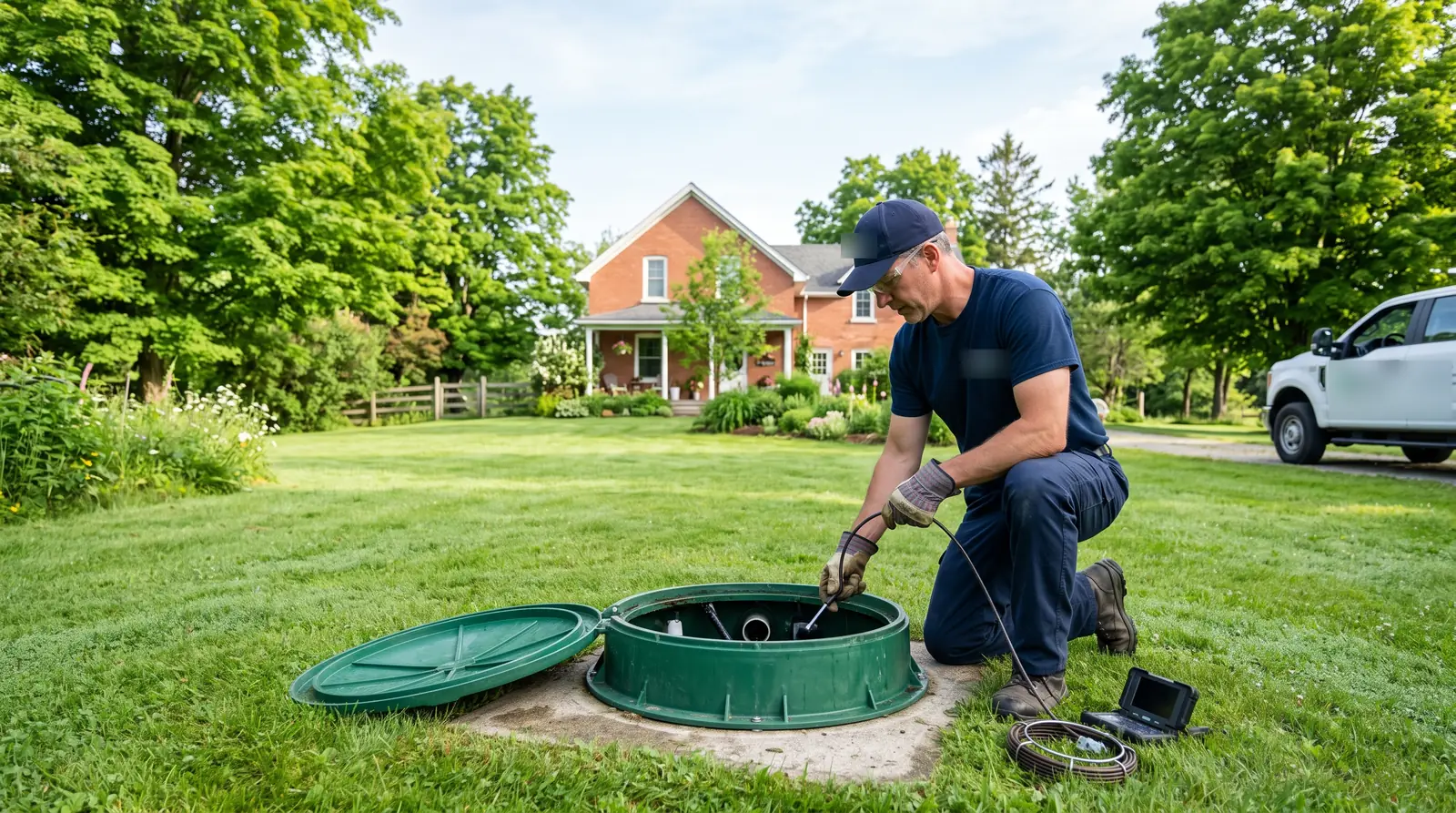 Riser & lid installsBring your tank lid to the surface so future pump-outs are faster, cleaner and cheaper.
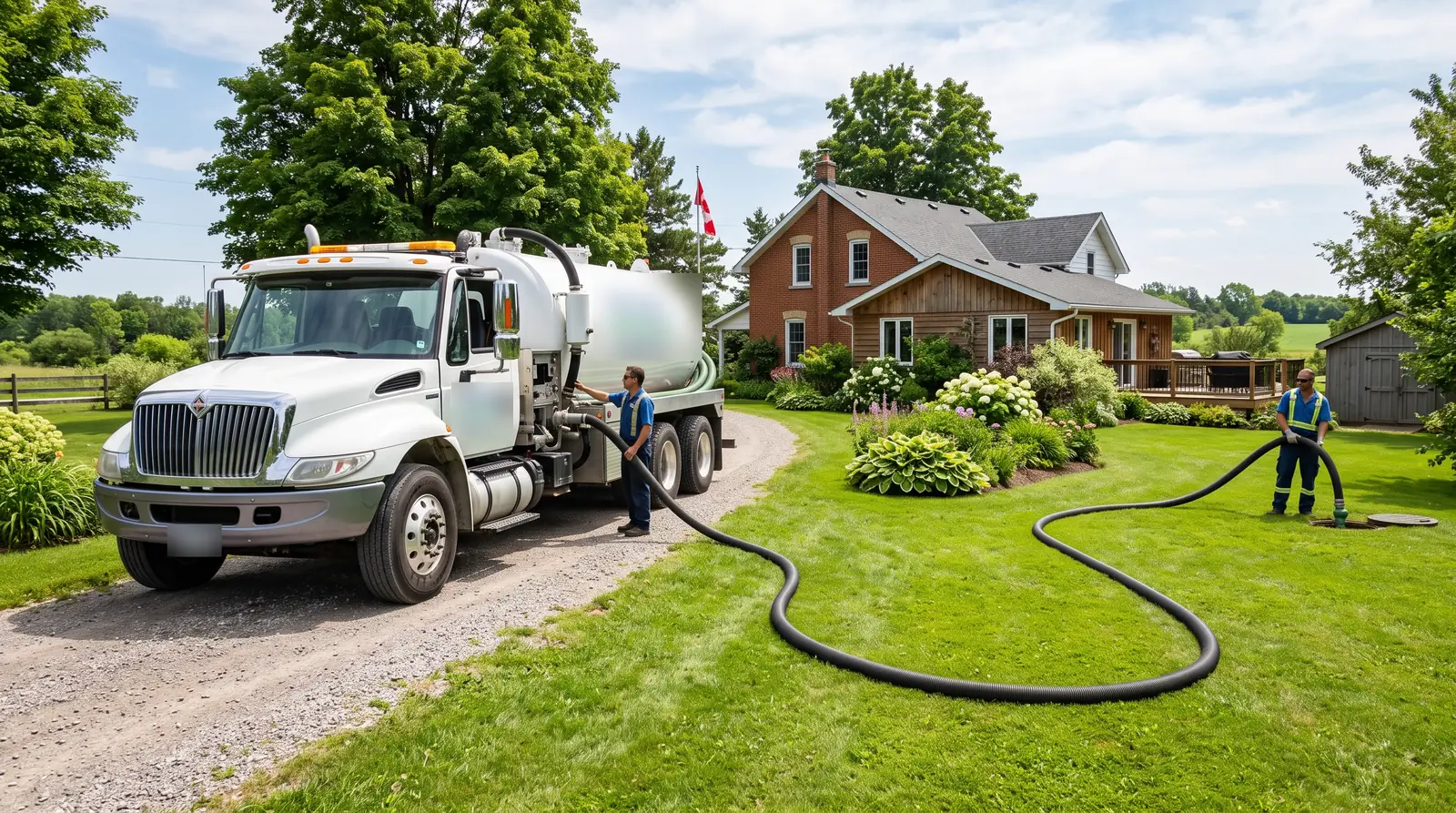 Septic tank pumpingFull pump-out of your tank with a quick check of baffles and levels while the lid is open.
 Septic inspectionsBuying or selling? Get a clear inspection of the tank and system condition.