Rural homes keep selling through the winter, and in townships like Oro-Medonte and Springwater, most of them come with a private septic system. Snow and frozen ground make a septic inspection harder, but not impossible. Here is what a winter septic inspection can and can’t tell you, what to ask the seller, and how to protect yourself if part of the check has to wait until spring.
Why the septic system matters so much
On a rural property, the septic system is one of the most expensive parts of the house that you can’t see. A tank in good shape with a healthy leaching bed can work quietly for many years. A failing bed can mean a major repair or full replacement.
A home inspection usually looks at the house itself: roof, electrical, plumbing, furnace. Most general home inspectors do not open and assess the septic tank or the leaching bed in detail. That is a separate job, and on a rural purchase it’s worth treating as essential rather than optional.
Can you inspect a septic system in winter?
Yes, with some limits. A lot of useful information can still be gathered when there’s snow on the ground. The challenge is mostly about access.
What can usually be done
- Records review. Permits, past pump-out receipts, the age of the system and any repairs.
- Locating the tank. Often possible from records, the cleanout pipe or probing, though deep snow and frozen soil make it slower.
- Opening and pumping the tank. If the lid can be reached, the tank can be pumped and its condition checked: cracks, baffles, signs of backflow from the bed.
- Flow testing from inside the house. Running water and watching how the system handles it.
- Checking pumps and alarms on systems that have them.
What is harder in winter
- Assessing the leaching bed. In summer, wet spots, lush green patches or odours over the bed are clues. Under a foot of snow, those signs are hidden.
- Digging to buried lids. Frozen ground makes excavation slow and expensive, and sometimes it isn’t practical at all.
- Seeing surface problems. Ponding or breakout can be masked by snow and ice.
This is where a riser makes a big difference. If the tank already has risers and lids at ground level, a winter inspection is much easier because there’s nothing to dig. If it doesn’t, ask whether the seller can have the lid located and cleared before the inspection.
What a septic inspection typically costs
A standard septic inspection typically runs $100–$300, and it’s often combined with a pump-out. A typical residential pump-out runs $400–$800. These are typical market ranges, not quotes, and winter access, deep snow or a buried lid can add time.
Many buyers ask the seller to have the tank pumped before closing as part of the deal, so you start with an empty tank and a fresh look at its condition. You can read more about septic inspections and septic tank pumping on those pages.
Questions to ask the seller
Before you make an offer, or as part of your conditions, ask for:
- The age of the system and when it was installed.
- Permits and approval documents from when the system was built or replaced.
- Pump-out records. Most household tanks need pumping every 3–5 years. Long gaps can be a warning sign.
- Repair history. Any work on the tank, pump, baffles or leaching bed.
- A sketch or map showing where the tank and bed are.
- How the home was used. A cottage used two months a year puts very different demands on a system than a full-time family home.
- Any problems they’ve had. Slow drains, backups, alarms or odours.
Sellers aren’t always able to answer every question, especially for older systems or estate sales. Missing records don’t mean the system is bad, but they do make a proper inspection more important.
Protecting yourself when part of the check has to wait
If the leaching bed can’t be properly assessed until the snow melts, buyers and their agents have a few options to discuss. These are common approaches, but the right one depends on your deal, so talk them through with your real estate agent and lawyer.
- A septic inspection condition in the offer, giving you time to get the system checked before the deal is firm.
- A pump-out and tank inspection now, with a follow-up look at the bed in spring.
- A holdback, where part of the money is held until a spring inspection is done.
- Asking for a credit or price adjustment if the system is old or the records are thin.
Your lawyer and agent can tell you what’s realistic in the current market and how to word any condition.
Red flags to watch for
Some signs are worth taking seriously, even in winter:
- Sewage odours inside the house or near the tank.
- Slow drains throughout the house, not just one fixture.
- Gurgling pipes or backups in the basement.
- An alarm panel that’s been switched off.
- Wet, slushy ground or ice build-up near the tank or bed when the rest of the yard is frozen solid.
- No records at all and no visible access to the tank.
None of these confirm a failure on their own, but each is a reason to dig deeper before you firm up the deal.
Local notes for Oro-Medonte, Springwater and Innisfil
In Oro-Medonte, nearly every home is on a private septic system, from lakefront homes in Shanty Bay and Hawkestone to houses around Horseshoe Valley and Bass Lake. Many lakefront properties started as cottages and were converted to year-round use, so it’s worth asking whether the septic system was upgraded at the same time.
In Springwater, homes in Elmvale, Minesing, Snow Valley and the rural areas around Midhurst often sit on larger lots with private services. Some older farm properties have systems that predate modern records, which makes a hands-on inspection more valuable.
In Innisfil, older lakefront cottages around Big Bay Point and Gilford sit alongside newer homes. Converted cottages are common here too, and a system sized for weekend use may struggle with a full-time household.
After you buy
Once the house is yours, a few habits help the system last:
- Get the tank pumped and inspected within the first year if it wasn’t done at closing.
- Keep the records the seller gave you, and start your own log.
- Mark the tank lid so you can find it under snow.
- Consider adding risers if the lid is buried.
- Spread out laundry, avoid flushing anything other than toilet paper, and keep vehicles off the leaching bed.
Quick answers
Can you do a septic inspection in winter?
Yes. A septic inspection in winter can usually review records, locate and pump the tank, check its condition and test how the system handles water. Assessing the leaching bed is harder under snow, so some buyers arrange a follow-up check in spring.
How much does a septic inspection cost?
A standard septic inspection typically runs $100–$300, and a typical residential pump-out runs $400–$800. Winter access, deep snow or a buried lid can add time, so confirm what’s included when you book.
Should the seller pump the septic tank before closing?
Many buyers ask for it. A pump-out before closing lets you see the tank’s condition and start with a fresh cycle. It’s worth discussing with your agent and lawyer as part of your offer.
Related services
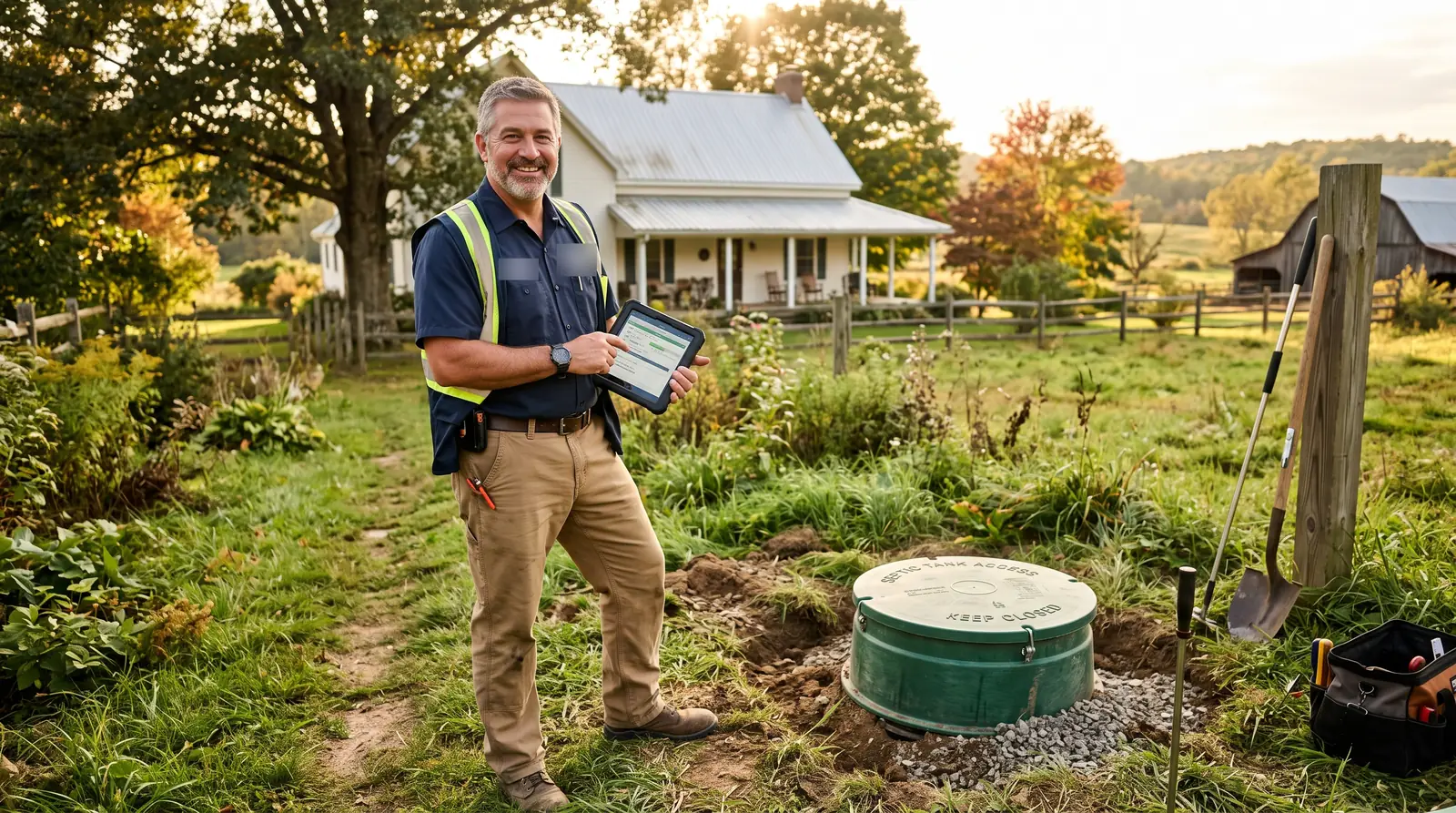 Septic inspectionsBuying or selling? Get a clear inspection of the tank and system condition.
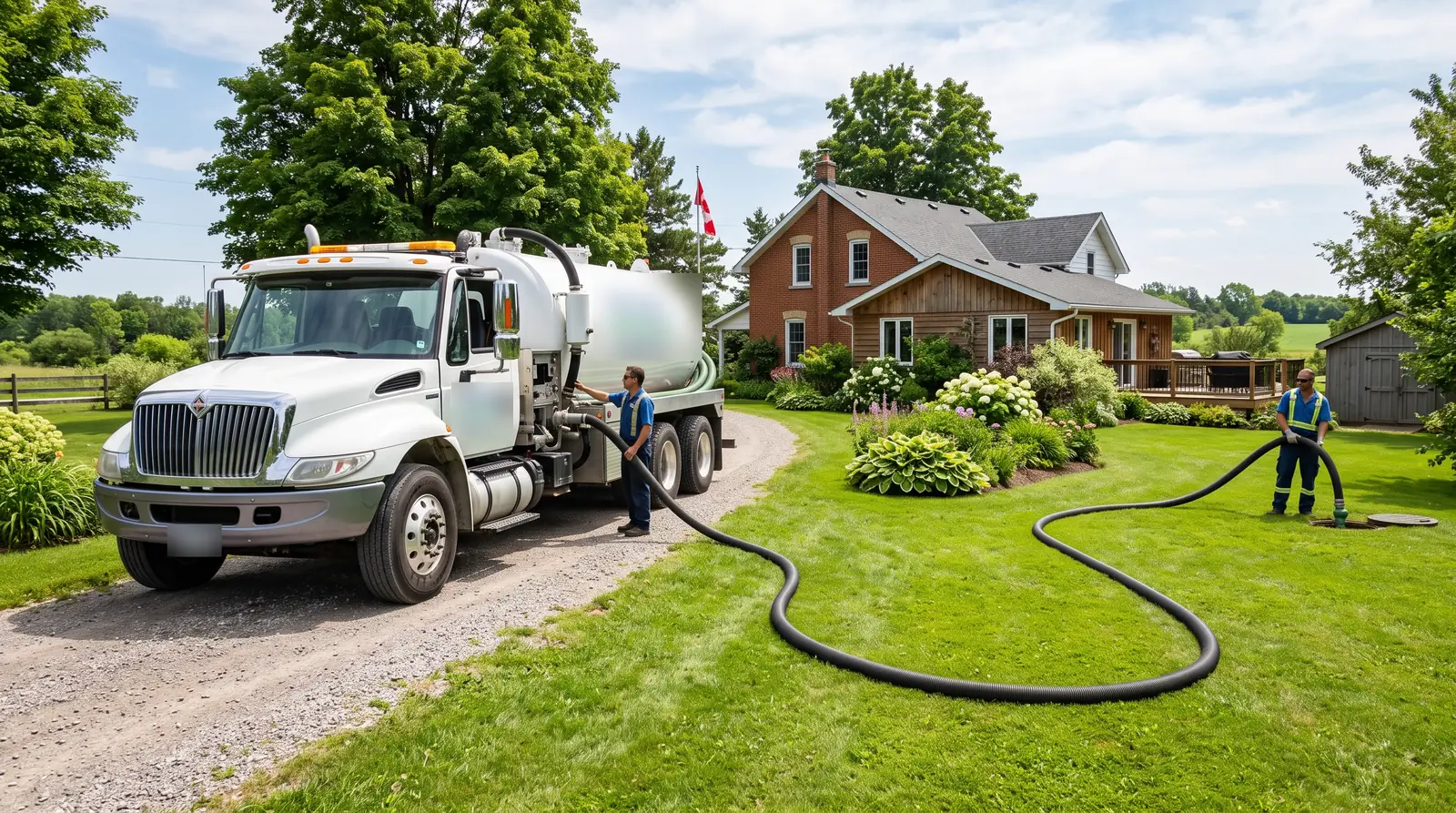 Septic tank pumpingFull pump-out of your tank with a quick check of baffles and levels while the lid is open.
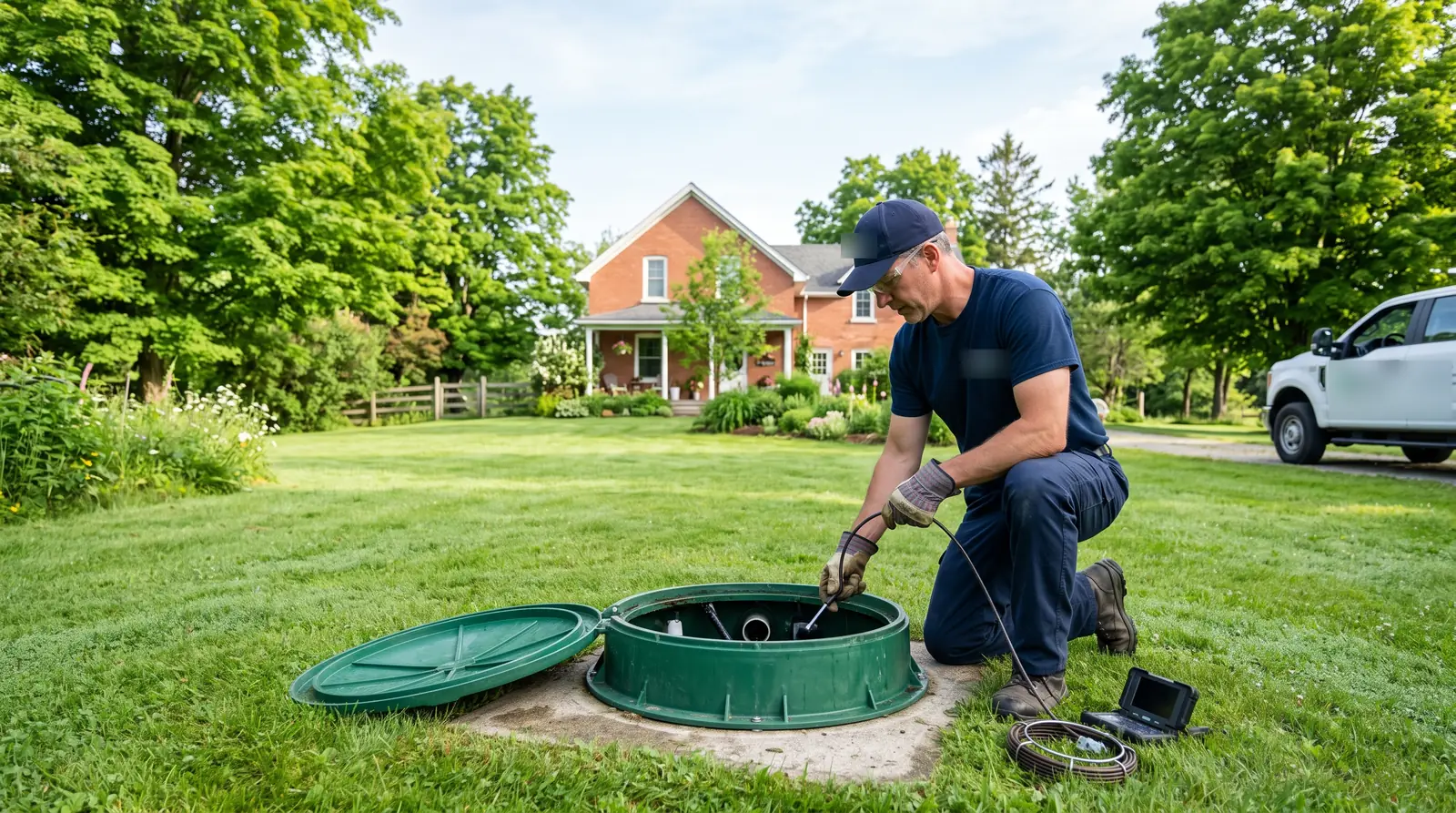 Riser & lid installsBring your tank lid to the surface so future pump-outs are faster, cleaner and cheaper.